
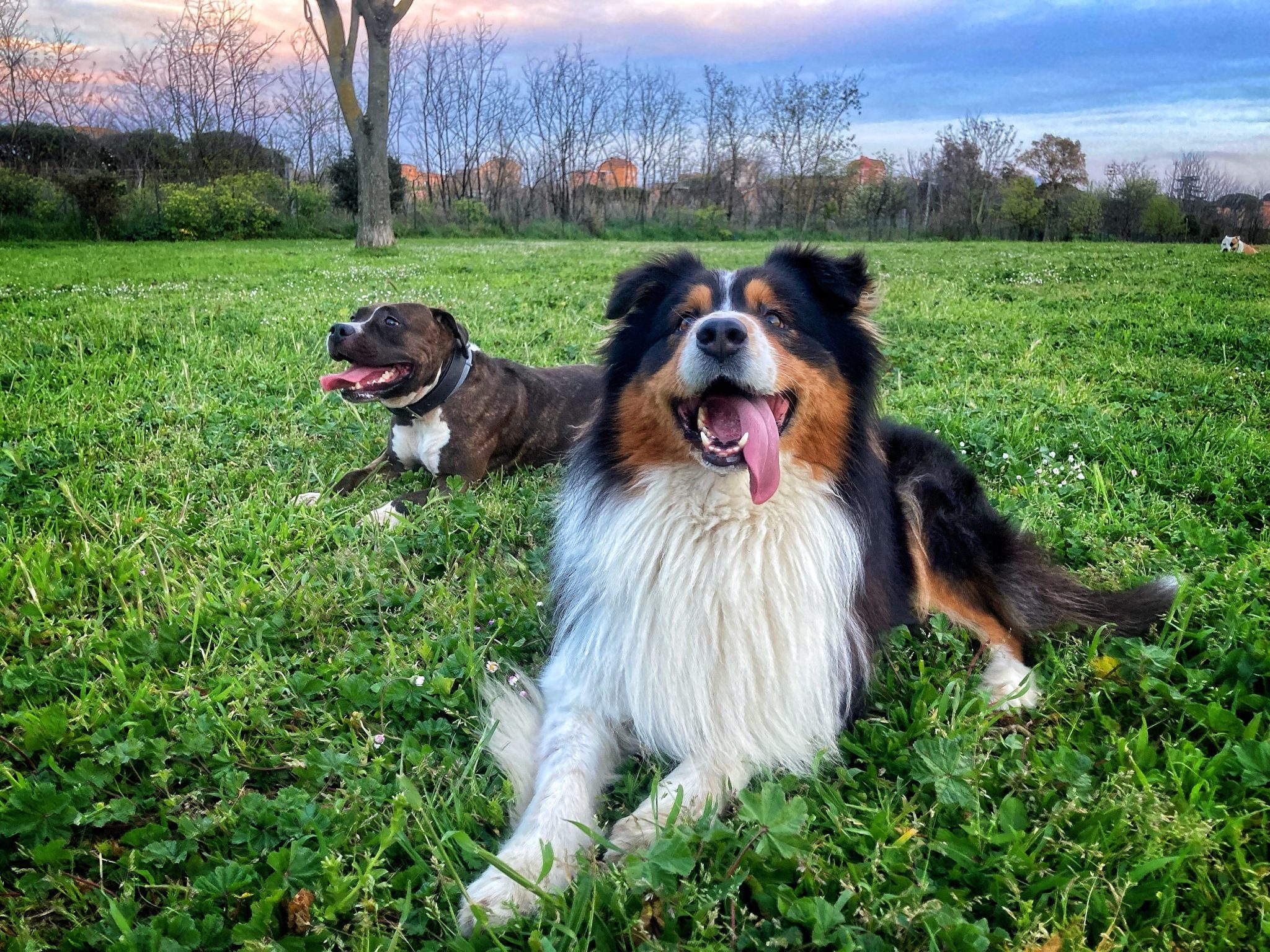
Spring is one of the dogs’ favorite periods: longer days, pleasant weather and finally longer common walks in the outdoors. However, with the awakening of nature, not only flowers and green areas appear, but also certain risks worth paying attention to. ticks, seasonal allergies and other environmental effects may affect your dog’s health – but with due care they can be handled well.
Ticks: one of the biggest dangers of spring
As time warms, ticks become more active. Most often they occur in grass and bushes areas, but you can meet them in urban parks.
The ticks are not only unpleasant, they can spread dangerous diseases. such as babesia, lyme disease. That is why prevention is important. You can choose between different solutions: collars, spot-on preparations or pills can help you defend yourself. It is worth discussing with a veterinarian which is best for your dog.
After walking, always carefully examine the fur of your dog, especially the area of the ears, neck, armpit and legs. If you find a tick, remove it as soon as possible.
How?
- Make forward the device
Use tick removal tweezers or spoons. These are specially designed for this purpose, so they’re safer than a regular clip. - Separate the hair
Gently pull the dog’s hair around the tick to see where it connects to the skin. - Grab the tick near the skin
With the device at the tick’s head, hold it as close as possible to the skin. It’s important you don’t squeeze his body. - Pull it out firmly
Pull it out with a slow, steady motion. No need to twist, the point is a straight, steady move. - Make sure it’s completely out.
See if the tick’s head stayed inside. If you are, or are not sure, you should consult a veterinarian. - Disinfect his location
Clean and disinfect the area of the bite. - Watch for the next few days
Check for redness, swelling or unusual behavior. If so, contact a professional.
Allergies: when not only people sneeze
Spring allergies don’t just affect people. Dogs may also respond to pollen, dust or other environmental factors.
Symptoms of allergy in dogs may differ from usual. Common signs may include:
- increased scratching,
- redness of the skin,
- paw licking,
- ear infection,
- hair loss in certain areas.
If you experience this, you should consult a veterinarian because untreated allergies can lead to more serious problems in the longer term. In many cases, symptoms can be alleviated by minor changes such as more frequent paw and hair cleaning.
After walk: small routines, big difference
In the spring, it is especially important to develop a simple but consistent routine after your walks.
It is worth:
- wipe the dog’s paw and belly,
- looking through his fur after ticks,
- if necessary, comb the fur.
These small steps help to remove pollen and other impurities so they can reduce the chance of allergic reactions and contribute to the dog’s general comfort.
Where do you go for a walk in the spring?
In the spring, areas with tall grass and wildlife are especially tempting, but they are also the favorite habitats of ticks. This does not mean that they should be completely avoided, but it is worth choosing a route consciously.
If you want to reduce the risk:
- Stay on the paved paths,
- avoid dense undergrowth,
- even in an urban environment, pay attention to the less well-maintained parts of the parks.
A conscious choice of route can help a lot in bringing home fewer “unwanted guests”.
Enjoy spring safely
Spring is the ideal time to spend more time outdoors, explore your surroundings and try new places. The presence of ticks and allergies doesn’t have to hold you back – it just requires awareness.
If you pay attention to prevention and establish a few simple routines, walking together can still be a carefree and joyful experience for both of you.