
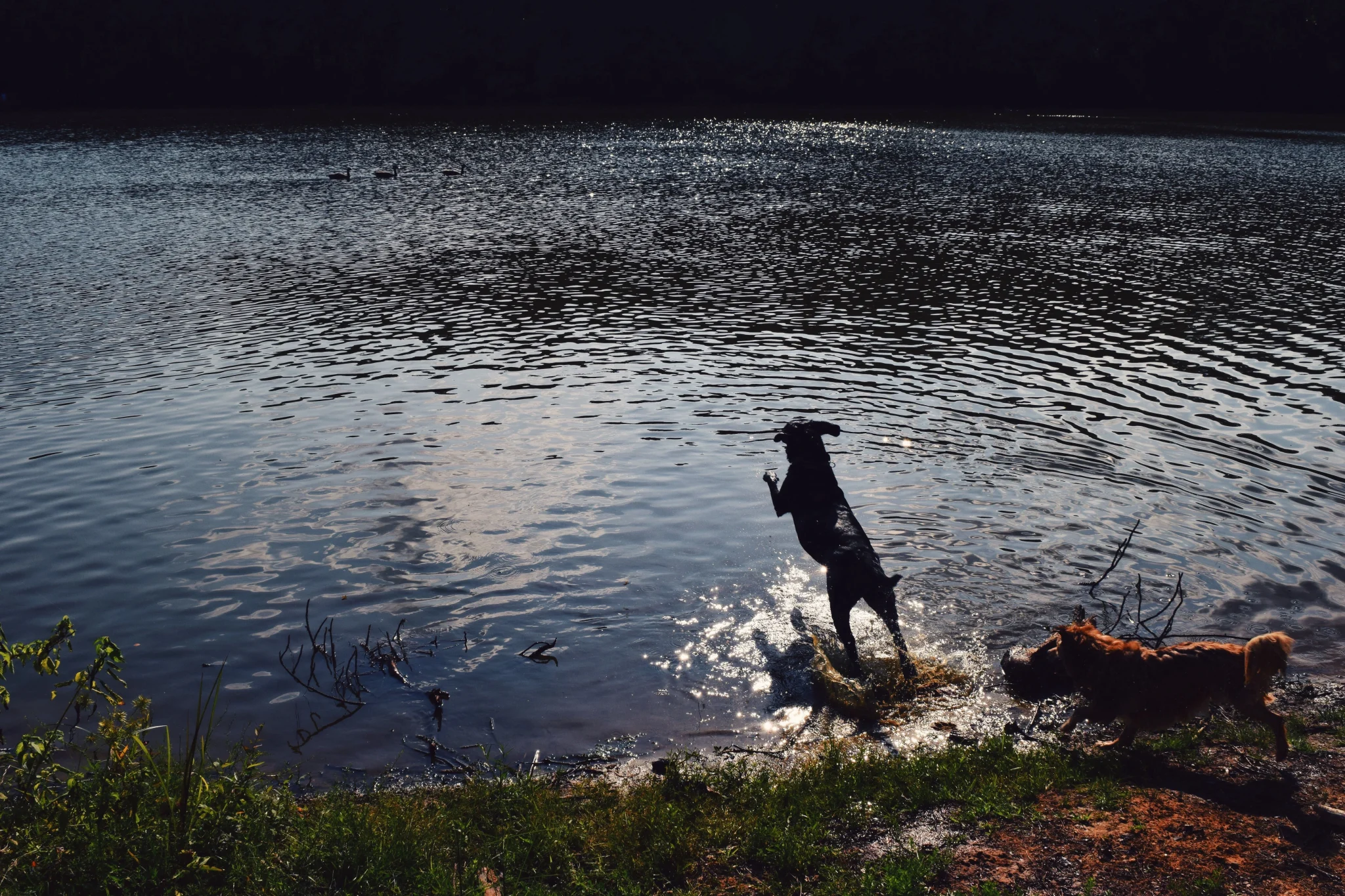
As the weather gets warmer, more and more owners want to include their dogs in water-based activities. Whether it’s a lake, a river, or even a backyard pool, water can be not just cooling but also a great shared experience. However, it’s important to remember that not all dogs relate to water the same way: some dive in instinctively, while others are uncertain or downright afraid of it. That’s why getting a dog used to water always requires patience and a gradual approach.
Not Every Dog Is a “Water Dog”
While many breeds — retrievers, for example — are famous for loving water, this can vary from dog to dog. A dog’s relationship with water can be influenced by past experiences, personality, and even body type. That’s why the first and most important rule is: never force anything. If a dog has a bad experience, it can make their relationship with water more difficult in the long run.
Getting Familiar with Water in a Safe Environment
It’s best to start the acclimation process in a calm, controlled environment. A shallow stretch of shoreline or a low-level pool at home can be ideal. Let your dog approach at their own pace: first just looking and sniffing, then perhaps stepping into the water. Even just getting their paws wet counts as a success.
Positive Reinforcement Above All
Rewards play a key role. If your dog shows interest in the water, reinforce it with praise and treats. You can also use play — for example, throw a favorite ball near the water’s edge so they gradually venture in deeper. The key is for water to become associated with pleasant experiences.
Take It Step by Step
Don’t expect your dog to start swimming the first time. Let them first move confidently in shallow water, and only later, once they feel comfortable, move on to deeper areas. If you’re unsure, you can also use a dog life vest, which provides extra safety.
Watch for the Signs
Always pay attention to your dog’s reactions. If they seem tense, pull back, or try to flee, it’s best to stop and try again later. The goal isn’t to “teach them to swim,” but to help them feel safe near water.
Safety Comes First
When it comes to natural bodies of water, caution is especially important. Avoid areas with strong currents, pay attention to water cleanliness, and always keep your dog in sight. After swimming, it’s a good idea to rinse and dry them off, especially around the ears, to help prevent infections.
Getting a dog used to water is a process that takes time and attention, but it’s worth the effort. If you patiently introduce your dog to this new situation with positive experiences, water won’t just become a way to cool off — it’ll become a shared, joyful experience that strengthens your bond even further.