
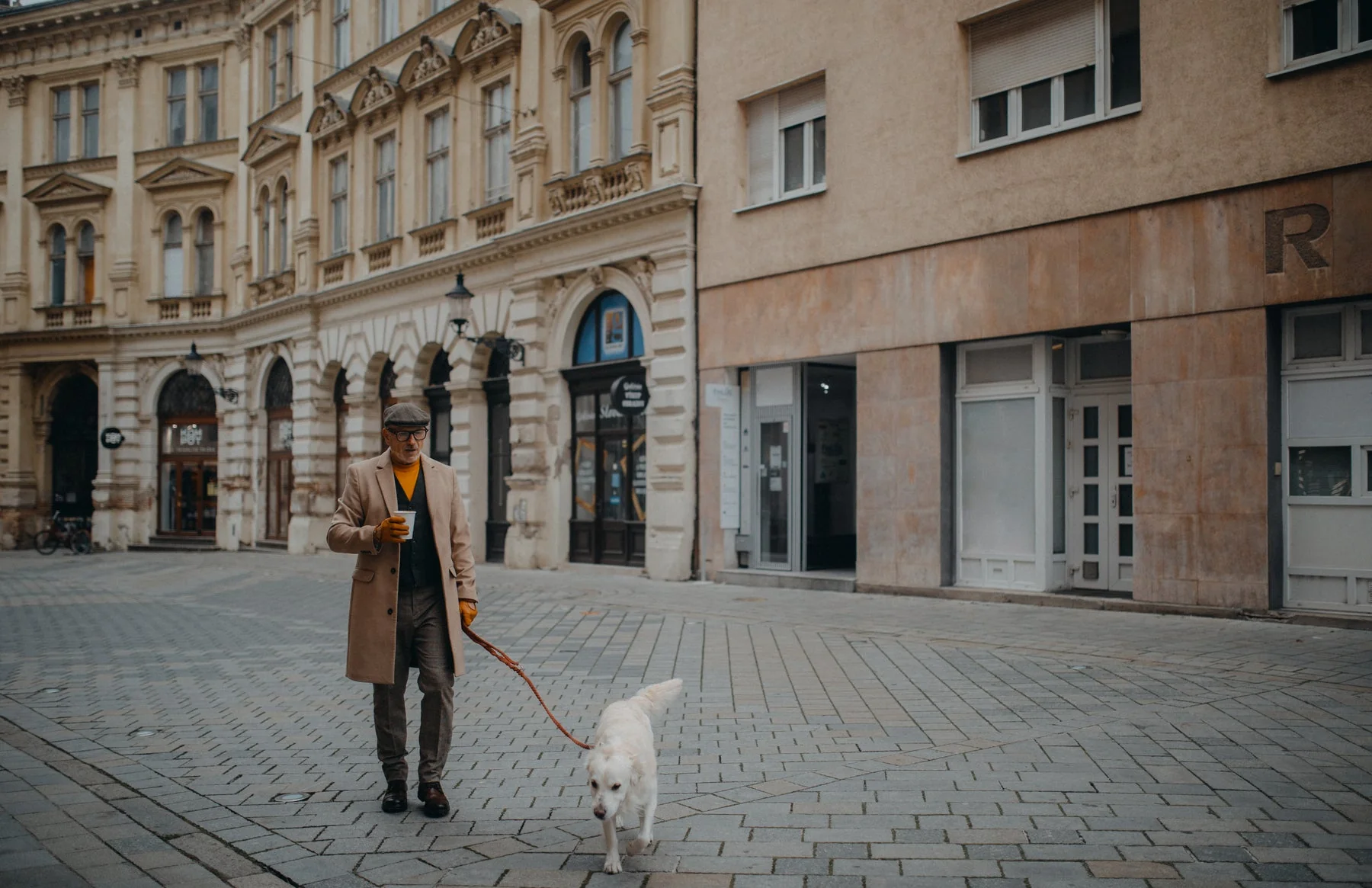
Walking your dog is part of every dog owner’s daily routine — yet there are surprisingly many national laws and local regulations that many people either don’t know about or don’t take seriously. These rules are as detailed as they are for a reason: the goal is to protect the safety of dogs, owners, and our shared environment. We’ve gathered the most important things to know so you can enjoy your walks together with peace of mind and within the rules.
Why Do the Rules Matter?
Walking your dog isn’t just about meeting your dog’s need for exercise — it’s also a social responsibility. Following the rules doesn’t just help you avoid fines; it also contributes to keeping public spaces clean and ensuring safe coexistence. Owners are responsible for informing themselves about the regulations that apply both where they live and wherever they plan to take their dog.
Rules help prevent conflicts with other people and animals, and they reduce the risk of accidents — which is especially important in an urban environment.
Leash: Almost Always Mandatory
One of the most important rules is that dogs must be kept on a leash in public spaces. The usual exception is designated dog runs.
Many people assume that a well-behaved or small dog can walk off-leash — but this isn’t true. The rule applies to every dog, regardless of size or behavior.
According to more recent recommendations, the length of the leash matters too: in urban environments, a shorter leash (around 1–1.5 meters) is generally ideal, since it allows you to properly control your dog.
Cleaning Up: A Given, Not an Option
It might seem obvious, yet it’s one of the most common violations: picking up after your dog.
The law clearly states that owners are required to clean up after their dog and dispose of the waste properly (for example, in designated bins).
This isn’t just a matter of hygiene — it’s also about respecting others. What’s more, breaking this rule can result in a fine.
Muzzles and Control
In certain cases — for example, with larger dogs or breeds classified as potentially dangerous — using a muzzle may also be mandatory. This isn’t a punishment for the dog, but a safety measure.
Even more important: your dog must always be under your supervision. It’s not enough to simply “be there” — you need to be able to react immediately if your dog behaves aggressively or a dangerous situation arises.
Health-Related Obligations
The rules of dog walking don’t stop at the leash. In order to take your dog into public spaces at all, several basic conditions must be met:
- up-to-date mandatory vaccinations
- a microchip
- a vaccination booklet, if required
Missing any of these isn’t just against the rules — it can also lead to serious consequences, such as fines or problems in the event of an inspection.
Walking Dogs in Forests and Nature
Many people enjoy hiking with their dogs — which is a great activity, but rules apply here too. In protected natural areas, leashes are often mandatory, even if the dog is well-behaved.
The reason is simple: protecting wildlife. A dog running free can easily disturb local wildlife, or even put itself in danger.
Who Is Allowed to Walk a Dog?
Few people know this, but there are also rules about who is allowed to walk a dog. By law, only a person capable of controlling the dog may walk it.
This means, for example, that it may not be safe to leave a large, strong dog in the care of a young child.
What Penalties Can You Expect?
Breaking the rules isn’t just inconvenient — it can also cost money. The most common reasons for fines include:
- walking a dog without a leash
- failing to pick up waste
- inadequate supervision
- missing vaccinations or microchip
Fine amounts vary but can be significant — which is all the more reason to be familiar with the rules in advance.
What Does Responsible Dog Walking Mean?
Following the rules is just the baseline. A responsible owner does even more:
- pays attention to their dog’s signals
- avoids conflict situations
- respects others (children, elderly people, other dogs)
- makes sure the dog is tired out both physically and mentally
A well-socialized, properly controlled dog isn’t just happier — it’s also far more welcome by others in the community.
Summary
Walking your dog is much more than a daily routine — it’s a responsibility. If you follow the basic principles — leash, supervision, cleanliness — you’ve already done a lot to make sure walks together are enjoyable for everyone.
And remember: the rules aren’t against you — they’re for you, and for your dog.