
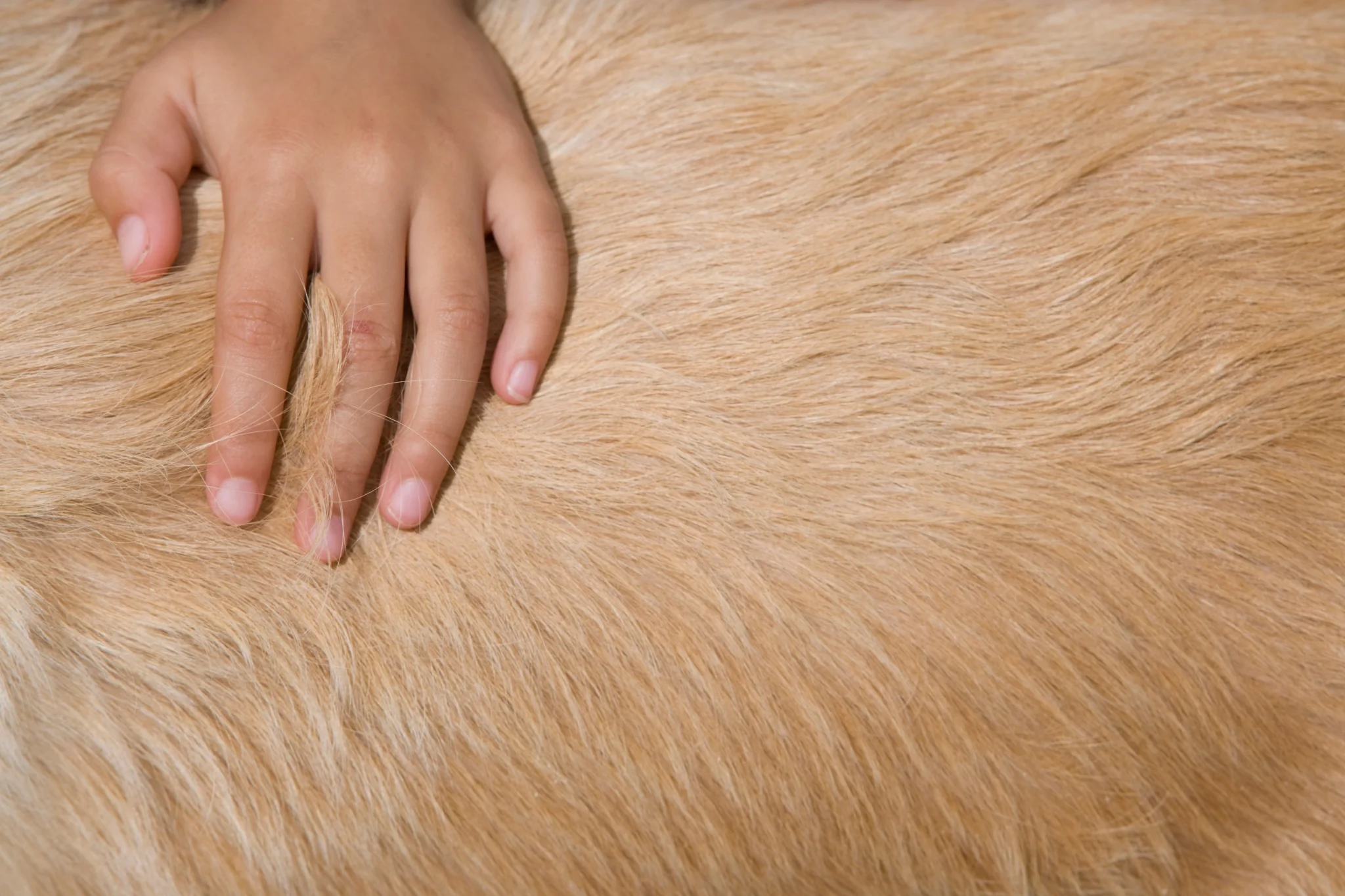
Spring doesn’t just bring nature back to life — it also marks shedding season for dogs. Shedding is a completely natural process at this time of year, but it can be a real challenge for many owners: fur starts turning up everywhere in the home, and a dog’s coat can quickly become matted or unkempt. The good news is that a few simple steps can not only reduce the amount of shedding, but also make your dog’s coat healthier and better-looking.
What Happens to Dogs’ Coats in Spring?
Most dogs shed more intensely twice a year: in spring and in autumn. In spring, they shed their thick winter undercoat to grow a lighter, airier coat for the warmer months.
This process can be especially noticeable in thick-coated breeds, but it happens with short-haired dogs too. The extent of shedding depends on the dog’s breed, living conditions, and overall health.
Regular Brushing Is Key
During shedding season, one of the most important tasks is regular coat care. Brushing helps remove dead hairs before they end up around the house or on your clothes.
It’s worth brushing your dog’s coat more often during this period — ideally daily. This not only reduces shedding but also stimulates blood circulation in the skin, which supports healthy hair growth.
It’s important to choose a tool suited to your dog’s coat type. A short-haired dog needs a different comb or brush than one with a long or double coat.
Bathing: When and How?
Bathing can help loosen and remove dead hair, but it shouldn’t be overdone. Bathing too often can dry out your dog’s skin, which can actually increase shedding.
During spring shedding, bathing every 3–4 weeks with a shampoo made specifically for dogs is usually enough. After bathing, it’s a good idea to thoroughly brush the coat once it’s dry — at this point you can remove even more dead hair.
Proper Nutrition Matters Too
The condition of a dog’s coat is closely linked to their diet. A dull, brittle coat or excessive shedding can often be traced back to nutrient deficiencies.
It’s worth making sure your dog’s diet includes adequate amounts of:
- protein
- omega-3 and omega-6 fatty acids
- vitamins and minerals
These support skin health and coat regeneration. If you’re unsure, it’s worth talking to your vet about the right diet or supplements.
How to Manage the Fur Around the House?
One of the most noticeable “side effects” of shedding is the amount of fur that appears around the home. While this can’t be eliminated entirely, a few tricks can significantly reduce it.
Regular vacuuming is a given, but it’s also worth investing in tools specifically designed for removing pet hair, such as brushes or rollers. It’s also a good idea to wash your dog’s bed and blankets more frequently during this period.
The more fur you remove while brushing, the less ends up on your furniture and clothes.
Watch for Unusual Signs
While shedding is a natural process, there are certain signs worth watching for. If hair loss suddenly becomes very heavy, appears in patches, or is accompanied by redness or itching, that’s no longer considered normal.
In such cases, it’s worth seeing a vet, since the underlying cause could be an allergy, a skin condition, or another health issue.
Grooming Can Be a Bonding Experience Too
Regular brushing and grooming isn’t just a practical task — it’s also quality time with your dog. If you get them used to these routines from puppyhood, it’ll be much easier for you both later on.
Spring shedding isn’t a challenge — it’s an opportunity to pay closer attention to your dog. With a little extra care, not only will your home stay cleaner, but your dog’s coat will also be healthier and better-groomed for the warmer months ahead.